TL;DR
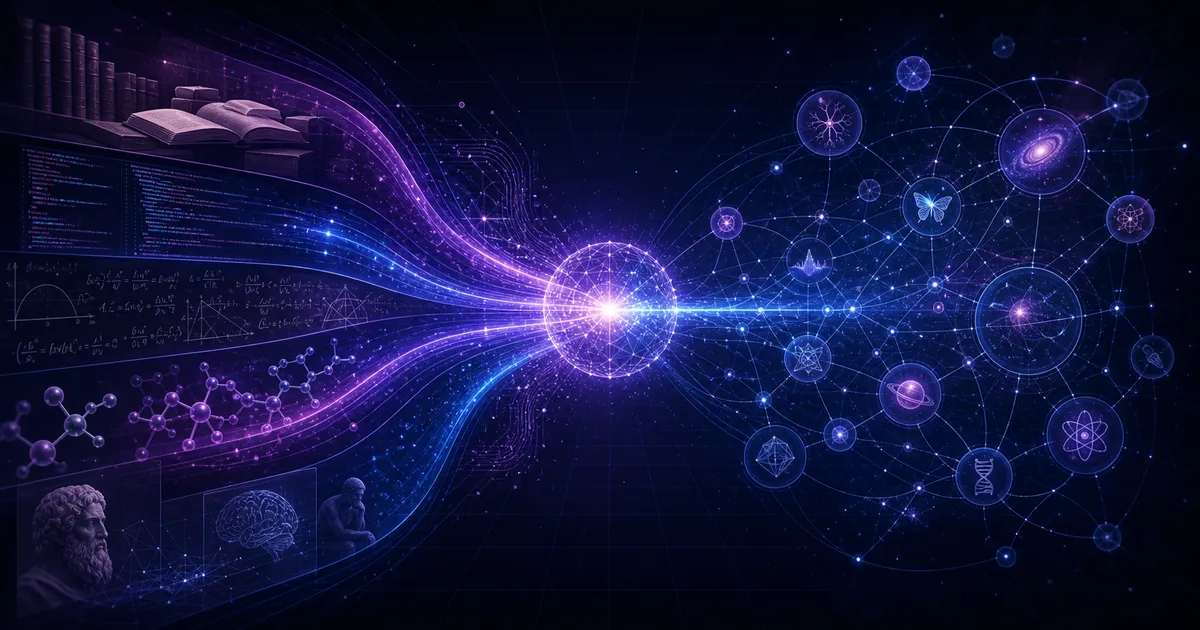
AI is transcending the boundaries of linguistics, forging a 'common language' that unites disparate disciplines. As we enter a new era where questions matter more than answers.
Recently, I found myself revisiting old notes in my journal and came across something I’d written years ago. The entry was titled Dream, dated August 1, 2020—just before my third year of university, not long after two years of studying computer science. I’d read or heard something that crystallized into an insight, and reading it now feels like sitting down to talk with my younger self from six years ago.

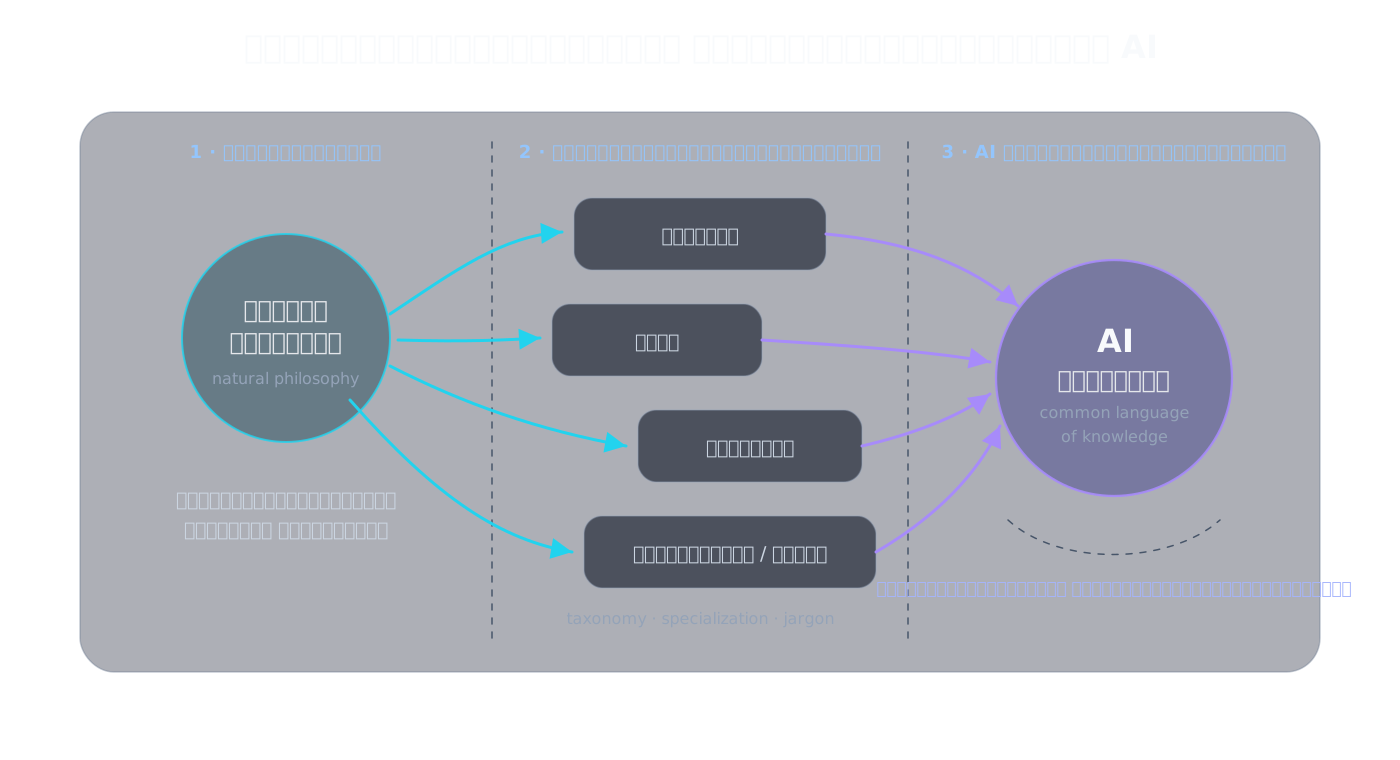
The core observation in that note was that many disciplines we recognize today were once not clearly separated from what we call philosophy—particularly natural philosophy, the attempt to understand nature, the world, and humanity’s place in the universe. But as time passed, the increasing complexity of knowledge necessitated a divergence, with each discipline developing its own perspective on studying nature. Natural philosophy eventually gave rise to modern sciences like physics, chemistry, and biology.
As specialization deepened, systematic study became possible through organized taxonomies of knowledge. Innovations and technological advances multiplied. Yet what’s becoming clear today is that technology increasingly relies on cross- and interdisciplinary knowledge and collaboration—a possible early signal of disciplines converging once again.
What I concluded in that final paragraph was that information technology and computer science function as “glue” binding disciplines together, emboldening us to ask harder questions: Who are we? How should we live? What is the meaning of life? We may never answer these, but the attempt has, over millennia, spawned innovations that improve our lives and deepen our understanding of nature and the universe bit by bit.
But rereading this note today, in a world where AI has become a transformative technology, I see that the picture is no longer complete.
From Glue to Lingua Franca
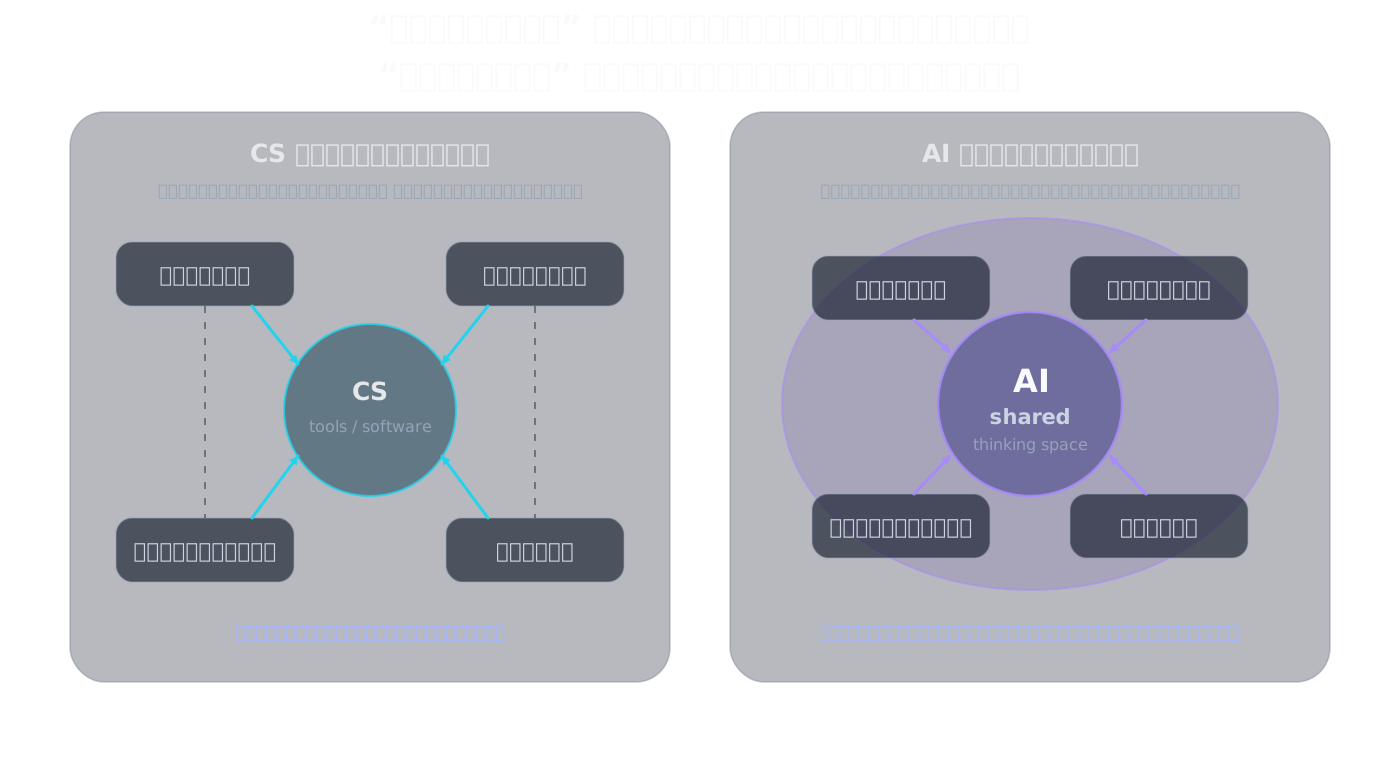
Glue binds things together, but what it connects remains separate. A physicist using software for data analysis still thinks in the language of physics. An economist running computational models still reasons within an economic framework. CS as “glue” lets tools flow across disciplines, but doesn’t automatically let thinking flow with them.
A lingua franca is structurally different. It doesn’t merely bridge two groups still on opposite sides—it creates a shared space of thought where both can inhabit together. It changes not just how we communicate, but how we think and question nature. This is what AI is doing now.
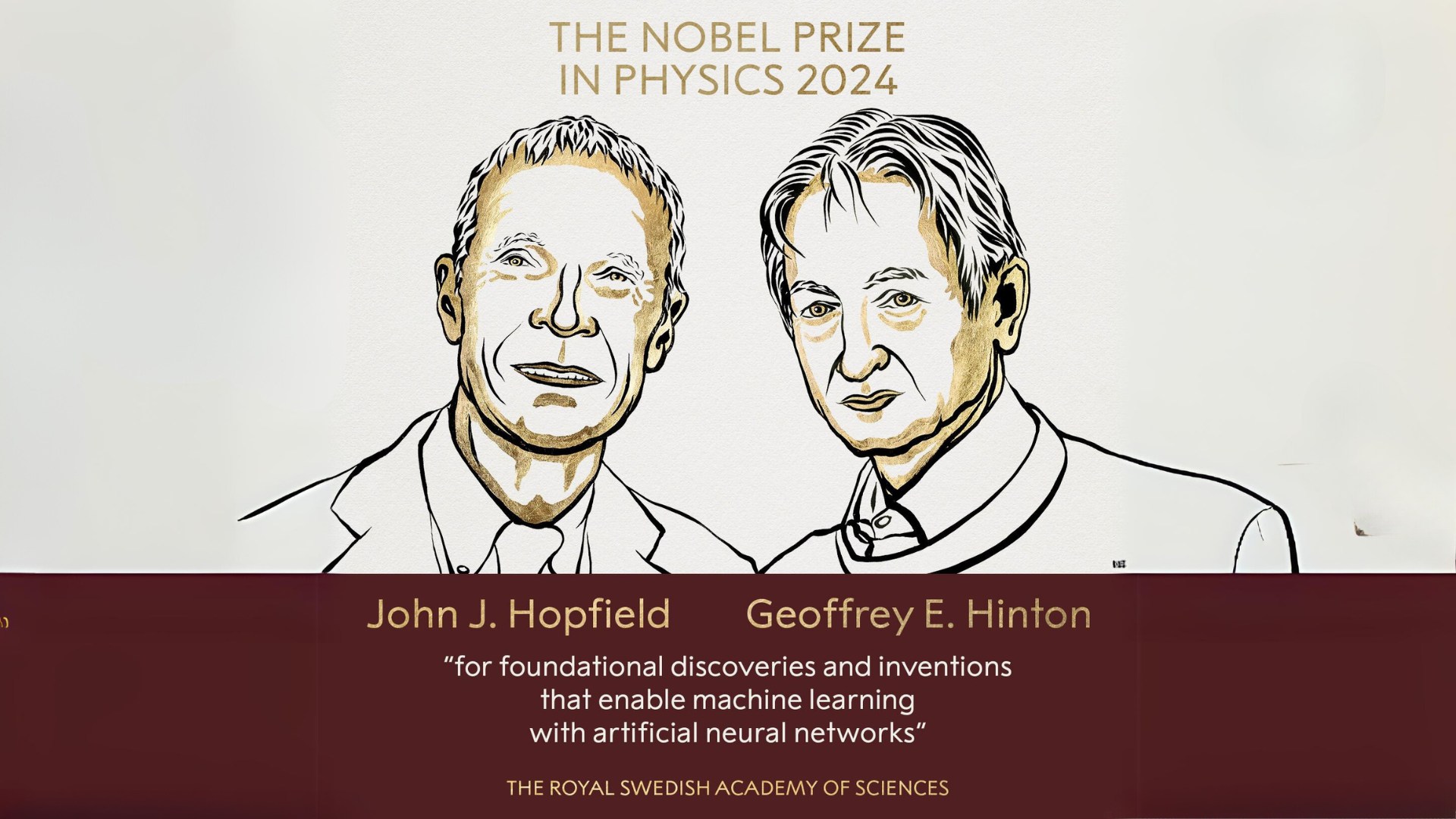
The clearest signal of this shift was the 2024 Nobel Prizes. The Physics prize went to John Hopfield and Geoffrey Hinton for discoveries enabling machine learning with artificial neural networks (ANNs). Half the Chemistry prize went to Demis Hassabis and John Jumper for AlphaFold, the AI system for predicting protein structures. This is among the strongest evidence that the global scientific community is seriously acknowledging: the boundaries between disciplines are increasingly blurring.
AI is becoming an essential tool for every discipline. It may be among the most powerful instruments humanity has ever possessed—one that will transform how we uncover the secrets of nature and the universe. AI might even lead us to knowledge, or entirely new disciplines, we’ve never conceived of. We’re living through one of the most exciting technological transitions in history. And despite global turbulence, AI has already fundamentally changed how we work, think, and live.
AI Borrows Worldviews from Other Disciplines…
Tracing AI’s origins as a field, the goal was to create artificial intelligence. AI is software operating in the digital world, yet capable of reasoning and autonomous decision-making as environments change. This reveals that AI was never merely about machines and code—it’s humanity’s attempt to build systems that simulate, substitute for, and work on our behalf. This forces us to reconsider: what exactly are “intelligence” and “selfhood”?
Over 70 years of AI development, countless innovations emerged, many built by borrowing ways of seeing the world from other disciplines. A recent example: Transformer—a name that might evoke robots or electrical transformers, but actually refers to the architecture behind models like ChatGPT, Gemini, and Claude. A core Transformer concept is attention, a mechanism letting models selectively focus on relevant information during each processing step.
Going further back, foundational AI ideas like Hopfield networks and neural networks all drew inspiration and connections from other fields. Hopfield networks borrowed the energy landscape concept from physics to create memory in models. Artificial neural networks took inspiration from the structure of biological neural networks. We also find vocabulary from diverse disciplines throughout AI: annealing (from metallurgy), fitness (from evolutionary biology), incentives (from behavioral economics). AI’s progress has depended on advances in other fields all along.
But notably, AI doesn’t merely borrow terminology—it borrows worldviews and transforms them into equations, algorithms, and working systems. And when it borrows, it doesn’t preserve original meanings intact. The attention mechanism in Transformers isn’t human attention. Neurons in ANNs aren’t real neurons. Energy in Hopfield networks isn’t physical energy in the literal sense. These are human understandings of nature, distilled into computable forms.
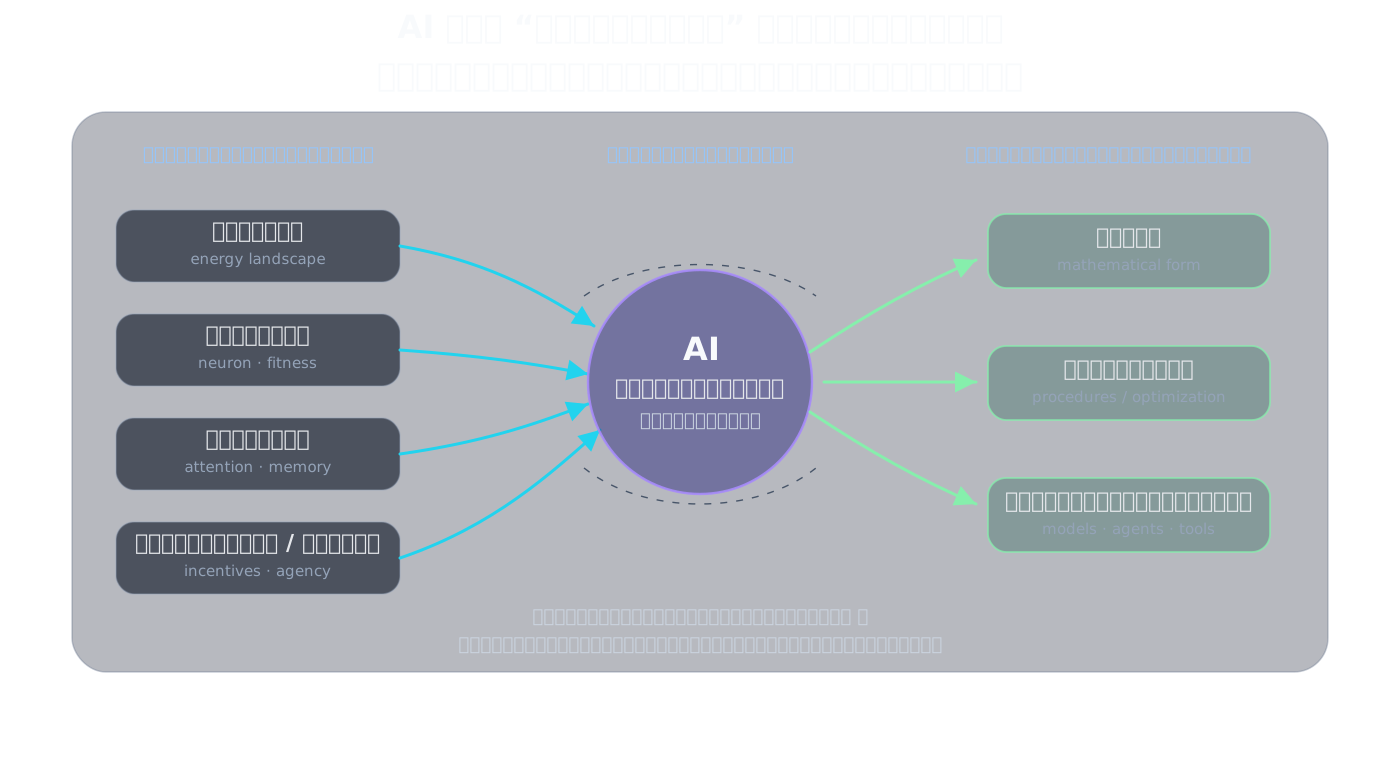
We might even say that AI—or more broadly, the digital world underlying the physical world—reflects humanity’s understanding of nature from physics, biology, psychology, economics, and philosophy. It’s a mirror showing how well we currently understand nature and ourselves.
…And AI Becomes a Tool for Other Disciplines
Previously, disciplines supplied AI with raw materials to advance itself. But in recent years, AI has become a tool that accelerates those same disciplines in return.
Demis Hassabis, CEO of Google DeepMind, believes “AI is the ultimate tool for science and for understanding the universe.” The clearest example is AlphaFold, which predicts protein structures with remarkable accuracy. Proteins share basic components, but different “folding” patterns completely change their properties. This discovery dramatically reduced the cost and time of pharmaceutical and biochemistry research—work that earned Hassabis the 2024 Nobel Prize in Chemistry.
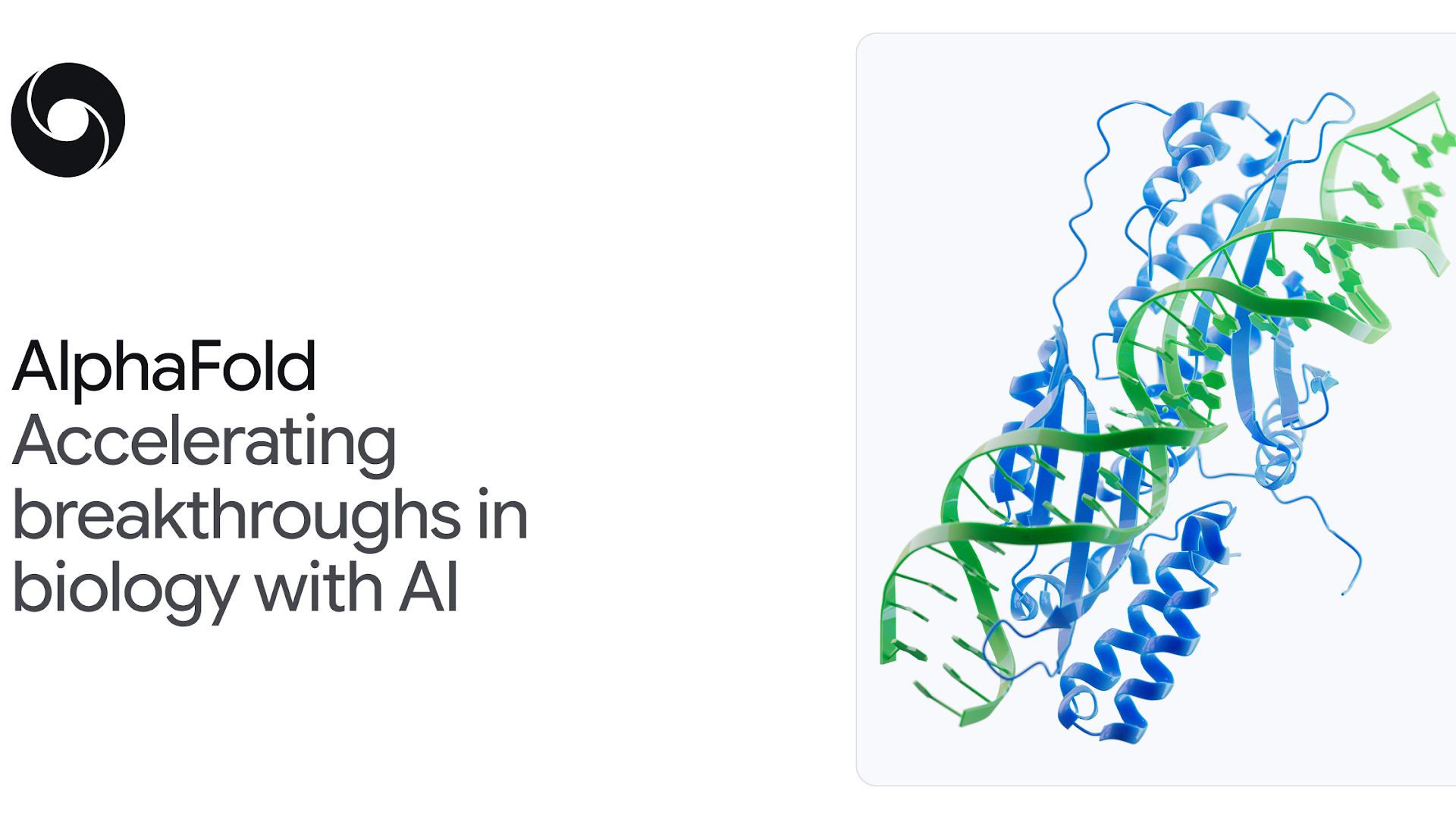
Imagine if AlphaFold-level breakthroughs occurred in every field. Our world would transform unimaginably: unlimited clean energy, cured diseases, sufficient resources for all. Of course, such a world requires more than better models—it needs real experiments, infrastructure, regulation, economics, politics, and human decision-making. But AI is significantly shortening the distance between “question” and “testable answer.”
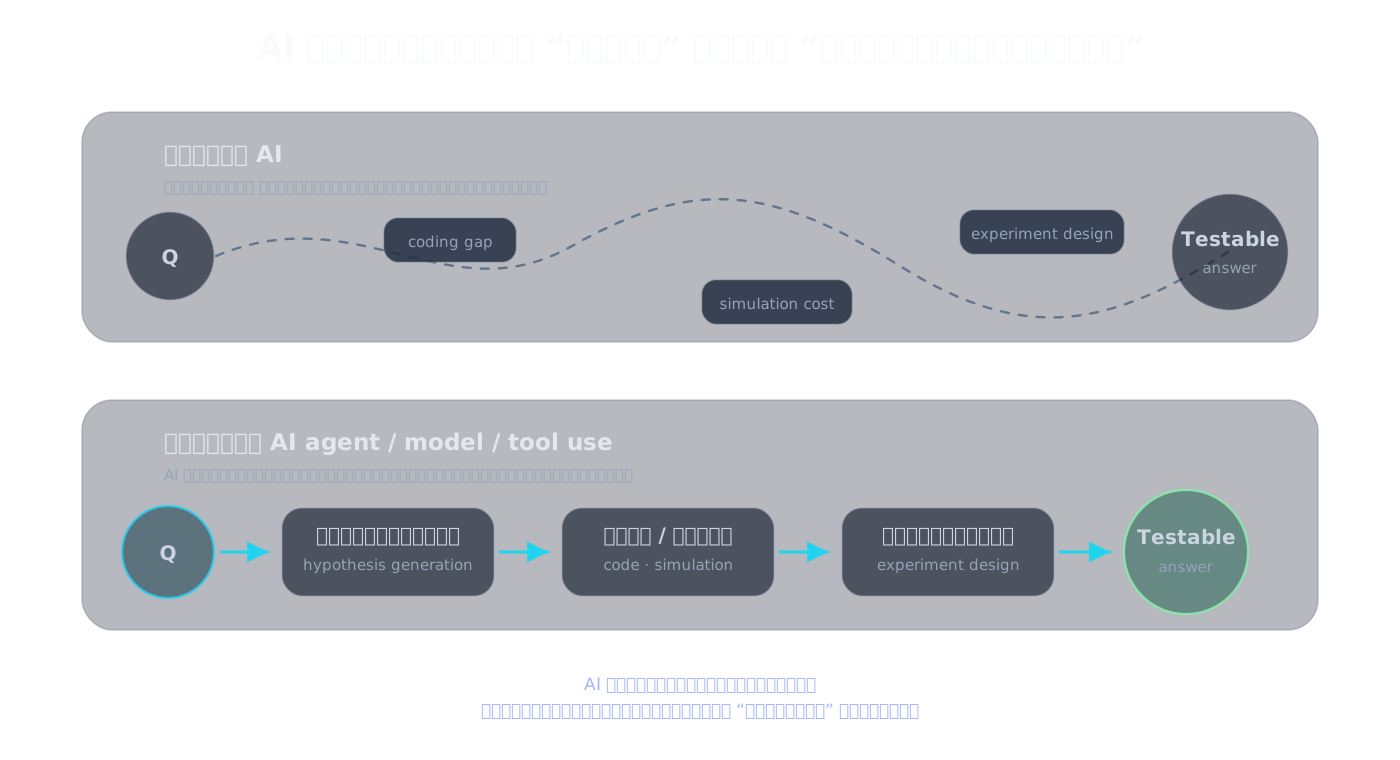
This is most visible in research itself. For physicists, economists, or biologists who were once constrained by programming ability, that wall is crumbling. Domain experts can now instruct AI agents in familiar language, using full technical jargon, without worrying about being misunderstood or sacrificing precision for comprehensibility. This doesn’t eliminate specialized skills—it opens paths for researchers with sharp questions and good ideas to prototype and experiment far faster.
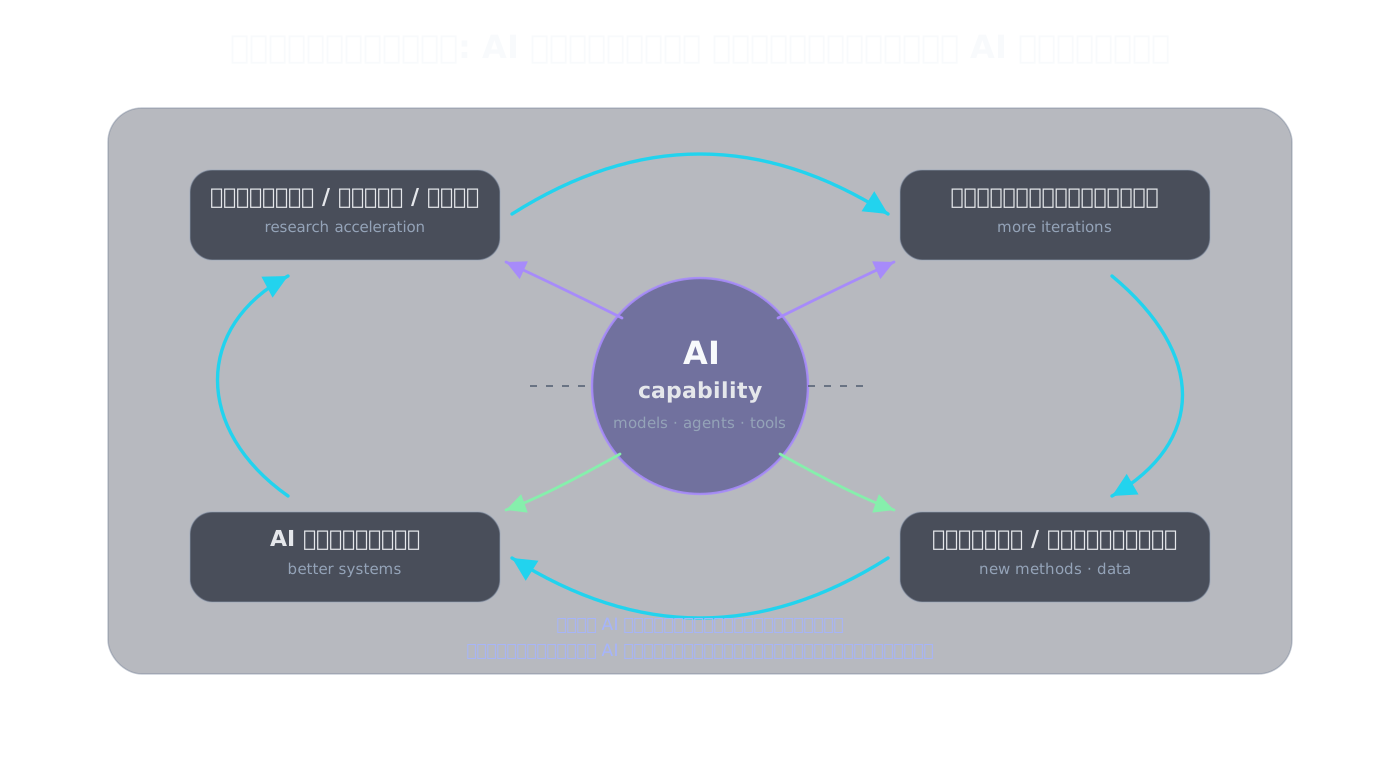
More importantly, this creates a powerful feedback loop. AI research itself is now accelerated by AI, so AI development speeds up; as AI capabilities grow, it can accelerate research even more. This loop explains why we’re seeing increasingly frequent model releases from organizations worldwide. Knowledge once locked behind massive raw datasets is now being extracted and connected into humanity’s collective understanding more easily than ever.
Looking back at the digital mirror built from human understanding: AI’s arrival, accelerating knowledge creation and accumulation, means this digital world increasingly approximates reality. And a digital world that better reflects reality enables research that better engages with actual reality. AI is giving us extraordinary power to expand perception beyond our biological constraints, access knowledge in unprecedented ways, and ask questions we don’t yet know are possible—including questions about ourselves that philosophy has always pursued.
A World Where All Disciplines Share a Common Language
This is where the concept of a lingua franca regains significance. Here, lingua franca doesn’t mean English, Chinese, or Thai—it means a shared framework letting ideas and understanding from multiple disciplines meet, connect, and build upon each other. This matters because it’s one factor that unintentionally created walls between disciplines.
Each discipline developed technical language (jargon) to increase specificity and reduce ambiguity for internal communication. These terms arose from good intentions, but the side effect was walls against outsiders.
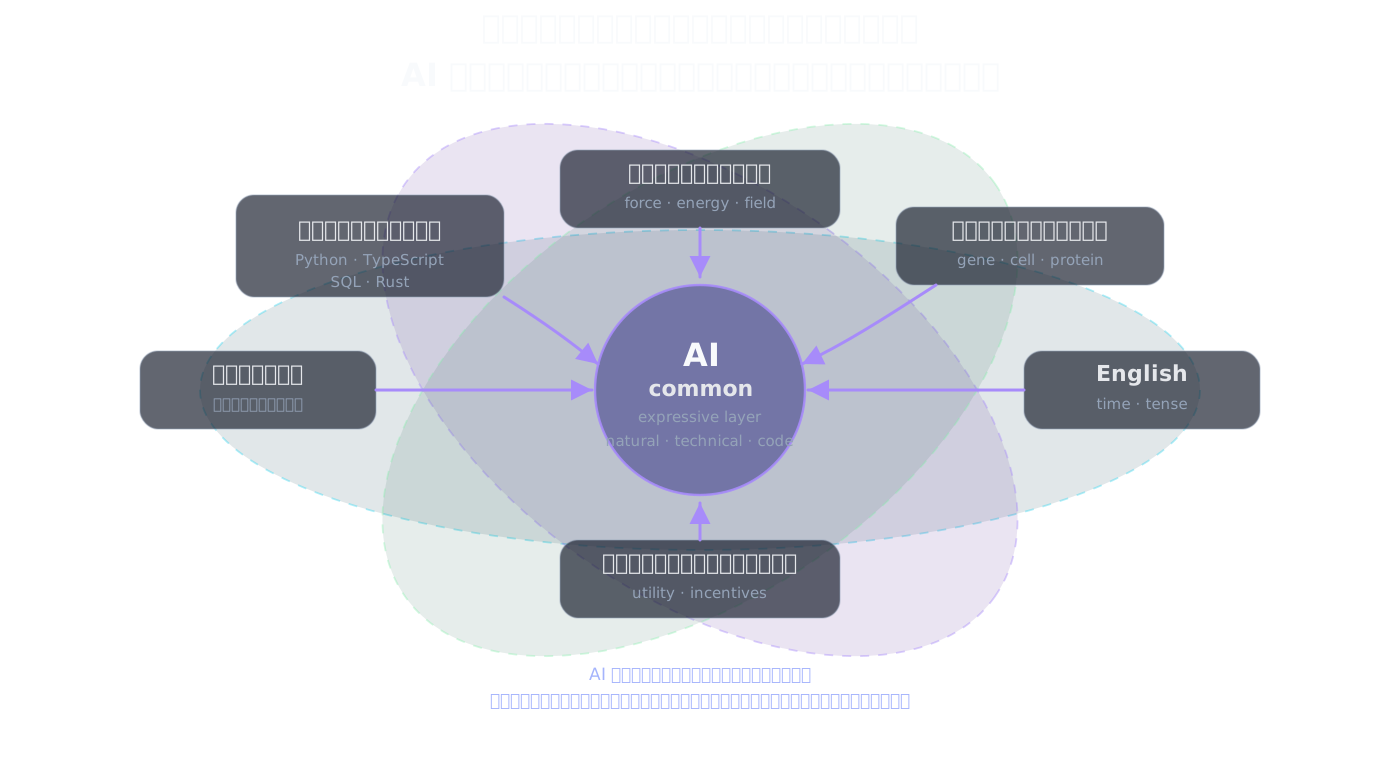
AI is changing this as a personal interpreter fluent in nearly all languages simultaneously. But AI’s role goes beyond translation. Consider multilingual people: each language has different structures. Thai emphasizes politeness; English emphasizes time. These differences mean thinking (or speaking) in different languages produces different foundational thought patterns. Beyond this, each language has untranslatable vocabulary. The Thai concept of “kreng jai” (ความเกรงใจ)—we might approximate with consideration, empathy, or thoughtfulness, but no single English word captures its full meaning. This shows languages don’t just communicate differently; they define the boundaries of possible thought.
The same happens with disciplinary languages. A physicist sees one problem through one lens; an economist sees the same problem through another. Often neither is wrong, but different vocabularies and thinking methods mean each misses what the other sees—because language properties make some thought patterns more accessible than others.
AI is about to change this. It doesn’t merely interpret between two languages; it can express seamlessly in all languages simultaneously—natural languages, programming languages, and discipline-specific technical languages. Everyone can think in their most familiar language while accessing concepts and vocabulary from others. This means we’re no longer constrained by the conceptual frameworks of any single language we master.
The result: we can ask questions we’ve never asked before, because we lacked vocabulary for them. We can think within another discipline’s framework without spending years learning its specialized language. Boundaries that once divided disciplines, rather than being fixed walls, are blurring into maps that help us explore and connect knowledge better. AI might even lead us to forms of knowledge, or entirely new disciplines, we never knew existed—through connections made by a “common language” reflecting humanity’s accessible collective knowledge, opening opportunities to ask harder questions, think more broadly, and break free from single-language constraints. Like gaining a new sense that lets us see what we’ve never seen, hear what we’ve never heard, perceive what we currently lack language to describe.
Closing: When Questions Outweigh Answers
Coming full circle, looking back at that first note, my thinking has evolved. CS is no longer merely glue binding disciplines. The reconvergence of disciplines doesn’t mean returning to early natural philosophy—it means AI is connecting every separated framework of thought, both disciplinary and linguistic, letting them flow together again. It is becoming a “common language” for understanding life, nature, and the universe.
Even though AI’s ability to assist research might feel like thinking for us, perhaps AI’s ultimate destination isn’t making humans stop thinking. If science is the attempt to understand nature, and humans are part of nature, then AI helping us understand nature more deeply isn’t merely technological progress—it may return us to philosophy’s most ancient questions: who are we and how should we live.
Because when AI helps us find more answers, the hardest thing may no longer be finding answers—it may be choosing which questions deserve to be asked, and what those answers should be used for.

In an age when AI helps us find more answers, philosophy may become one of the most important disciplines once again—as computer science has been in recent decades. Because philosophy doesn’t teach us to find answers; it teaches us which questions should be asked, and how we take responsibility for the answers we receive. In an era when answer-finding capability is rapidly accelerating, the ability to ask questions properly and responsibly may become the rarest thing in the world.
References
- https://www.britannica.com/science/history-of-science/Greek-science
- https://www.nobelprize.org/prizes/physics/2024/press-release
- https://www.nobelprize.org/prizes/chemistry/2024/press-release
- https://pmc.ncbi.nlm.nih.gov/articles/PMC346238/
- https://www.nature.com/articles/323533a0
- https://deepmind.google/science/alphafold
- https://www.youtube.com/watch?v=AFpeWo1GTeg
- https://plato.stanford.edu/entries/linguistics/whorfianism.html