
TL;DR
Dan Brown stands as one of the novelists who not only writes with gripping momentum, keeping us on edge throughout each volume through his distinctive prose and storytelling style. He is also among those who dare us to confront difficult questions that many people wouldn't even think to ask, or choose to simply ignore. Throughout the journey of Robert Langdon, the protagonist of his Robert Langdon series—from the adventure in Rome in Angels & Demons, which invites us to reconsider religion in the modern age through a thrilling chase across the Eternal City alongside the secret society of the Illuminati; through The Da Vinci Code, which explores another possible dimension of the legendary Holy Grail; to The Lost Symbol, which dissects the very real secret organization of the Masons that persists to this day, prompting us to question what we have been seeking all along—until Inferno.
Dan Brown stands as one of the novelists who not only writes with gripping momentum, keeping us on edge throughout each volume through his distinctive prose and storytelling style. He is also among those who dare us to confront difficult questions that many people wouldn’t even think to ask, or choose to simply ignore. Throughout the journey of Robert Langdon, the protagonist of his Robert Langdon series—from the adventure in Rome in Angels & Demons, which invites us to reconsider religion in the modern age through a thrilling chase across the Eternal City alongside the secret society of the Illuminati; through The Da Vinci Code, which explores another possible dimension of the legendary Holy Grail; to The Lost Symbol, which dissects the very real secret organization of the Masons that persists to this day, prompting us to question what we have been seeking all along—until Inferno.

Inferno stands as one of the novels that takes on the weighty issue of human overpopulation in the present day—a situation that has pushed global resource consumption beyond what our planet can sustain. If circumstances continue along this trajectory, without effort or even deliberate ignorance from many, the consequences will be dire. Yet even with such a heavy theme at its core, Dan Brown maintains his signature blend of art history and symbolism, drawing on the profession of his protagonist as a professor of symbology to weave these elements together seamlessly. It also marks the first time the story opens with disorientation shared by both the characters and the reader, creating an irresistible pull to discover what is truly happening.
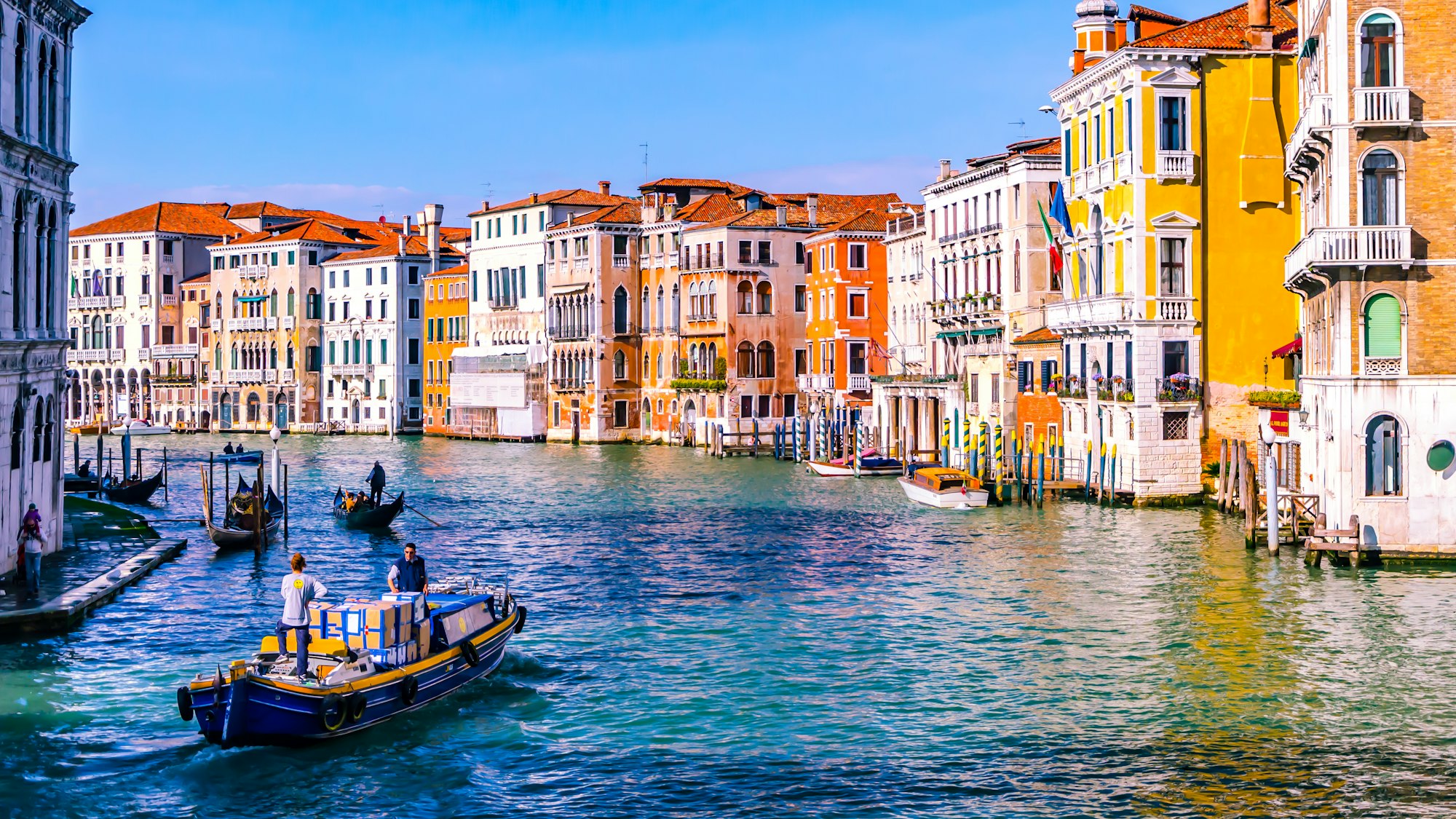
In this installment, Robert Langdon’s adventure unfolds primarily in Venice, though the closing chapters take us to another destination entirely. The narrative brings its central theme back for our reconsideration through the words and decisions of the characters within. It stands as a novel well worth following, both for longtime followers of Dan Brown’s work and for newcomers alike.
📚 Hope you enjoy reading!
The darkest places in hell are reserved for those who maintain their neutrality in times of moral crisis. — The Divine Comedy, Dante Alighieri